
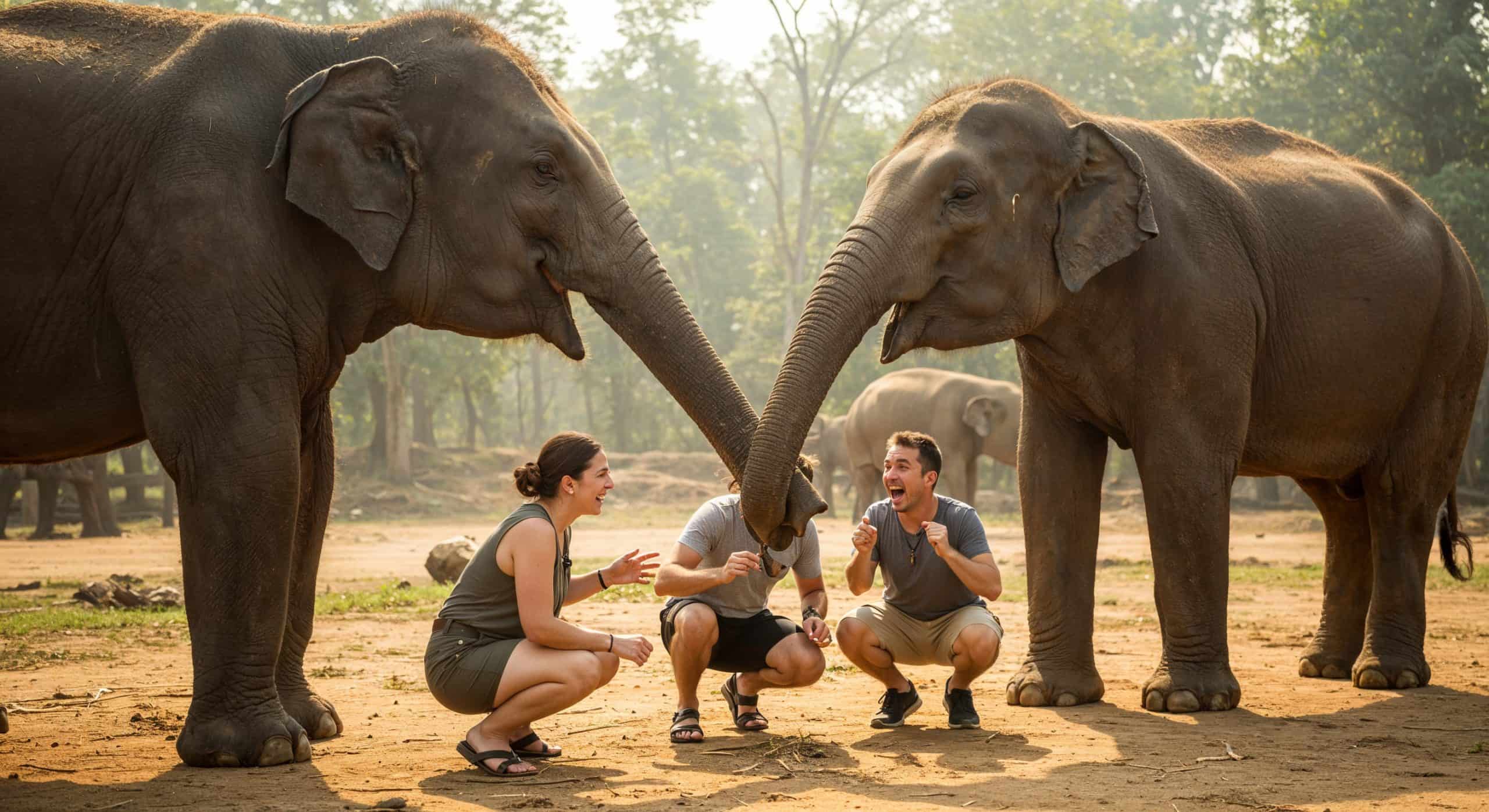
Elephant rescue parks in Thailand are ethical tourism destinations dedicated to the rehabilitation and protection of elephants. These sanctuaries prioritize animal welfare, offering a humane alternative to exploitative practices like riding or performances. According to World Animal Protection, over 2,000 elephants are held in captivity for tourism in Thailand, with many subjected to harsh training methods. Popular parks such as Elephant Nature Park, Samui Elephant Haven, and Phuket Elephant Sanctuary lead the way in ethical elephant care.
This article explores the ethical importance of these parks, highlights top sanctuaries to visit, and provides practical tips for planning your trip.
The Ethical Importance of Elephant Rescue Parks
The Plight of Elephants in Thailand
Elephants in Thailand have historically been used for labor and entertainment, with many subjected to cruel training methods like the “phajaan” (crushing) process. A 2023 report by Save Elephant Foundation revealed that 75% of captive elephants in Thailand are employed in tourism, often under inhumane conditions. While elephants hold cultural significance in Thai history, their exploitation for profit has become a pressing ethical issue.
How Rescue Parks Make a Difference
Rescue parks rehabilitate elephants by providing natural habitats, medical care, and freedom from forced labor. Sanctuaries like Elephant Nature Park have rescued over 200 elephants, focusing on their physical and emotional recovery. These parks also educate visitors on conservation, fostering a deeper understanding of elephant welfare.
Top Elephant Rescue Parks to Visit
Elephant Nature Park (Chiang Mai)
Elephant Nature Park is a pioneer in ethical elephant tourism, founded by Lek Chailert, a globally recognized advocate. The park enforces a strict no-riding policy and offers volunteer programs where visitors can assist in feeding and bathing elephants. Notable rescues include elephants saved from logging camps and abusive tourist attractions.
Phuket Elephant Sanctuary
As the first ethical sanctuary in Phuket, Phuket Elephant Sanctuary specializes in caring for retired working elephants. The park features a canopy walkway, allowing elephants to roam freely while visitors observe from a respectful distance. Their focus on elderly elephants highlights the need for lifelong care.
Samui Elephant Haven
Located in Koh Samui, Samui Elephant Haven offers hands-on experiences like bathing and feeding elephants in a sustainable environment. The sanctuary emphasizes natural behaviors, ensuring elephants live as close to the wild as possible. Their commitment to ethical tourism makes them a standout choice for visitors.
What to Expect During Your Visit
Daily Activities at Rescue Parks
Visitors can participate in activities like feeding elephants fresh fruit, bathing them in rivers, and observing their social interactions. These activities are designed to mimic natural behaviors, ensuring elephants are not stressed or exploited. For example, Elephant Nature Park allows elephants to form herds, promoting their psychological well-being.
Rules and Guidelines for Visitors
Ethical sanctuaries enforce rules such as no touching, riding, or disruptive behavior. These guidelines prioritize the elephants’ comfort and safety. A 2022 study by the University of Chiang Mai found that minimal-interaction policies reduce stress levels in rescued elephants by 40%.
Planning Your Trip to an Elephant Rescue Park
Choosing the Right Sanctuary
Avoid parks that offer elephant rides, chains, or performances. Look for certifications like World Animal Protection approval. Phuket Elephant Sanctuary, for instance, is accredited for its high welfare standards.
Best Time to Visit
The dry season (November to February) offers pleasant weather, while the monsoon season (June to October) provides fewer crowds. Elephant Nature Park recommends booking early, as spots fill quickly during peak months.
Costs and Booking Tips
Day visits range from $50 to $100, while volunteer programs can cost up to $500 for a week. Booking in advance is crucial, as sanctuaries like Samui Elephant Haven limit daily visitors to ensure quality care.
The Impact of Your Visit
Supporting Conservation Efforts
Visitor fees fund rescue operations, veterinary care, and habitat restoration. Save Elephant Foundation reports that 80% of sanctuary revenue is reinvested into conservation and community projects.
Spreading Awareness
Tourists play a vital role in promoting ethical tourism by sharing their experiences on social media. A 2023 survey by Ethical Traveler found that 60% of visitors changed their travel habits after visiting a rescue park.
Conclusion
Visiting an elephant rescue park Thailand is a transformative experience that combines adventure with purpose. By choosing ethical elephant sanctuaries, you contribute to a future where elephants thrive in freedom and dignity.